Living Lanterns of Sticky Summer
Few institutions are more sacred to Ozark summers than the local swimming hole. Before air conditioning, these pools provided the only reliable relief from crushing summer heat. Some of these pools were spring-fed, but most are deep-cut bends in creeks.
Every community has its own legendary swimming spot, often with colorful names: Devil’s Bathtub, Moonshine Beach, or Gar Hole. The best holes combine deep, cool water with sun-warmed rocks for diving and lounging.
Many swimming holes have their own stories of monstrous catfish lurking in underwater caves or ghost stories about unfortunate swimmers who never resurfaced. These locales can also double as excellent fishing spots where hours are burned in the summer heat in hopes of a fish fry supper.
Despite modern pools and water parks, many Ozark families still make pilgrimages to ancestral swimming holes each summer, maintaining connections to the cooling waters that have refreshed generation after generation through the hottest days of Ozark summers.
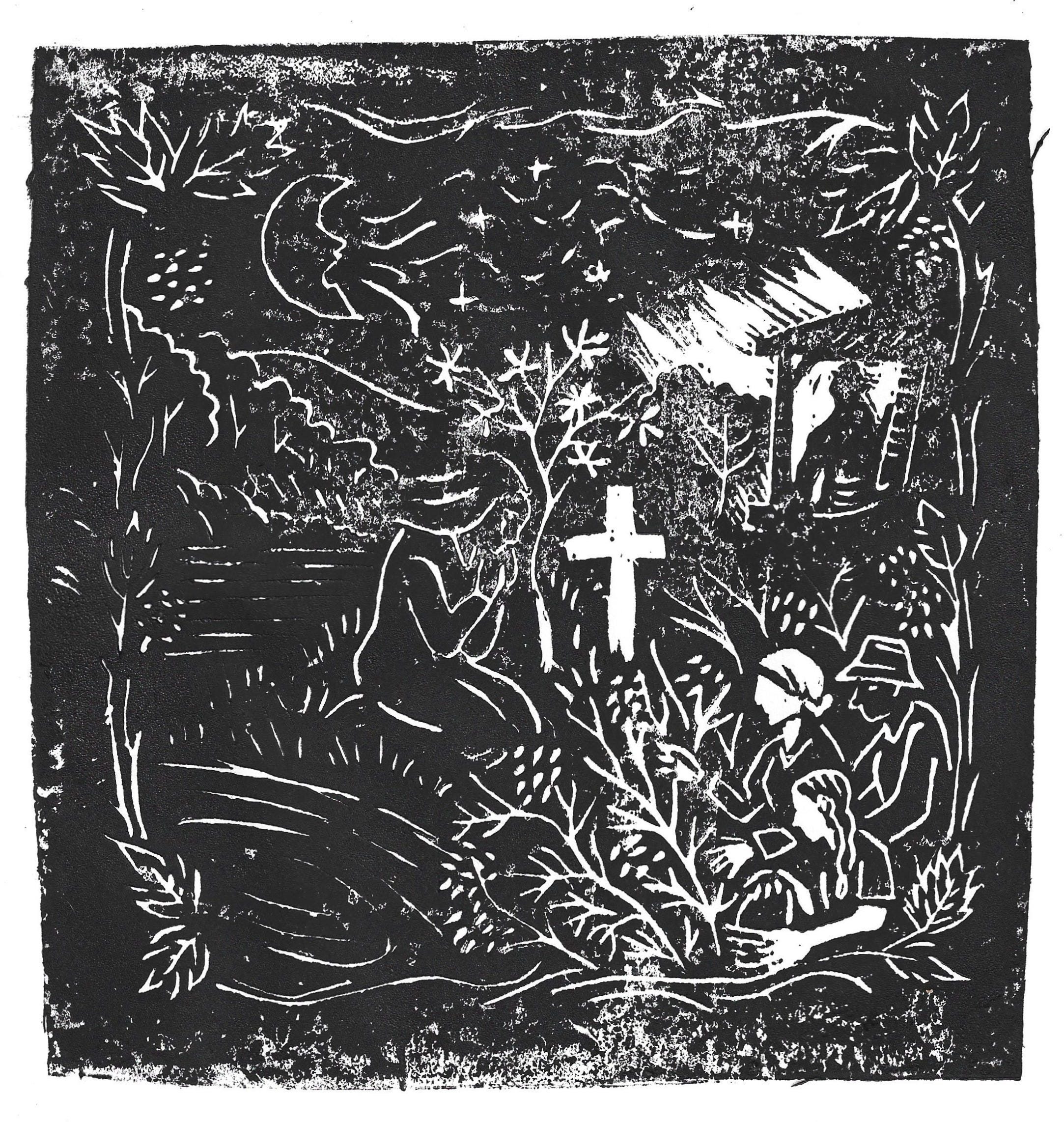
Mountain Canticle
In the grand scheme of time past, this song by Steve Earle is relatively new. Written in 1999, the tune laments the mistreatment of his homeland where coal companies stripped the land of its natural resources and disrupted the local way of life to enrich themselves at the expense of the populace. Though coal mining has not been a prominent industry in the Ozarks, lead, zinc, and iron mining is. Additionally, extensive logging marred the old-growth forests of Arkansas causing damage to property through flooding and famine via destruction of wildlife habitat. The spirit of the song may still strike a chord with Ozarkers.
I personally enjoy the cover performed by Benjamin Todd of the Lost Dog Street Band.
I was born on this mountain a long time ago
Before they knocked down the timber and strip-mined the coal
When you rose in the mornin' before it was light
To go down in that dark hole and come back up at night

I was born on this mountain, this mountain's my home
She holds me and keeps me from worry and woe
Well, they took everything that she gave, now they're gone
But I'll die on this mountain, this mountain's my home

I was young on this mountain but now I am old
And I knew every holler, every cool swimmin' hole
‘Til one night I lay down and woke up to find
That my childhood was over and I went down in the mine

There's a hole in this mountain and it's dark and it's deep
And God only knows all the secrets it keeps
There's a chill in the air only miners can feel
There're ghosts in the tunnels that the company sealed
Lightning Bugs (Photinus pyralis)
As twilight settles over the humid Ozark summer, the flicker of lightning bugs (sometimes incorrectly referred to as fireflies) transforms ordinary fields and forests into enchanted landscapes. These luminous beetles have captivated generations of Ozark children who chase them through tall grass on sticky summer evenings.
The Ozarks host one of the most diverse lightning bug populations in North America, with over 40 different species. Unlike other regions where lightning bug populations have declined due to light pollution and habitat loss, many remote Ozark valleys still witness spectacular synchronized light shows on summer nights.
I have distinct memories with cousins collecting dozens of these bugs in mason jars to see who could make the brightest ‘lantern’. There are stories about their abundance once being enough to illuminate evening gatherings in place of kerosene lamps. While likely exaggerated, these tales speak to their cultural significance.
In folk medicine, lightning bug light was believed to have healing properties. Crushed fireflies were applied to warts, while some healers prescribed watching the insects' pulsing lights as a cure for insomnia and “restless spirit.” Biologically, their bioluminescence serves as a mating signal, with each species having its own unique flashing, creating a secret language written in light across the summer twilight.
Blackberry Cobbler
June through August in the Ozarks bring an abundance of wild blackberries, their thorny canes laden with dark, sweet fruit. For generations, Ozark families have braved chiggers, ticks, and thorns to gather these summer treasures from sunny roadsides and forest clearings.
Blackberry picking is more than harvest. Families rise early to beat the heat, carrying buckets and wearing long sleeves despite the summer temperatures. This is a family event. As one old saying goes: “The sweetest berries grow in the devil’s patch”.
Ingredients:
- 4 cups fresh blackberries
- 1 cup sugar, plus extra for sprinkling
- 1 tablespoon lemon juice
- 1/4 teaspoon cinnamon
- 1 1/2 cups all-purpose flour
- 2 teaspoons baking powder
- 1/2 teaspoon salt
- 1/2 cup cold butter, cut into pieces
- 1/3 cup buttermilk
- 1 egg
- 1 teaspoon vanilla
Directions:
- Preheat oven to 375°F. Butter a deep dish pie plate or cast iron skillet.
- Toss berries with 1/2 cup sugar, lemon juice, and cinnamon. Pour into prepared dish.
- In a bowl, mix flour, remaining 1/2 cup sugar, baking powder, and salt.
- Cut in butter until mixture resembles coarse crumbs.
- Mix buttermilk, egg, and vanilla in separate bowl, then stir into flour mixture just until moistened.
- Drop spoonfuls of dough over berries. Sprinkle with additional sugar.
- Bake 35-40 minutes until golden brown and bubbling.
- Serve warm with fresh cream or vanilla ice cream.
“You ain’t never had a proper cobbler ‘less yore eatin’ it with purple fangers."
Hillside Reflection
The summer season in the Ozarks offers particular moments that speak to deeper truths for those with eyes to see them. There’s something about the droning katydids in the warm evenings that draws the mind toward contemplation.
Consider the humble lightning bug. These living lanterns appear only in the threshold between day and night. They are neither in full sunlight nor complete darkness, but in the in-between space. Their phosphorescence, so easily overwhelmed by our harsher artificial lights, reminds us that some truths can only be glimpsed with a backdrop of darkness, and some wonders vanish when we try to illuminate them with our own manufactured certainties.
The summer thunderstorms that roll across these mountains carry their own parables. After weeks of parching heat, the clouds gather and break open. The same rain that brings relief to withered gardens also carves new paths down hillsides and sometimes floods valleys. These waters descending from above both sustain life and reshape the land. Blessings often arrive with transformative power that can appear destructive even as they renew.
In these hills, you’ll find the oldest trees growing not on the valley floors, but on rocky banks and ridges. While their valley siblings were long ago cleared for barns, gardens, and homesteads (victims of their own promising location) these ridge-dwellers persisted in their seemingly barren perches. Poor soil, relentless wind, treacherous footing, initially perceived as hardship, became their salvation. Sometimes what looks like abandonment to difficult ground might actually be placement in a sanctuary, and the very challenges that shape us most painfully may also be preserving us for purposes not yet revealed.
The wild blackberry offers its own quiet wisdom. The sweetest berries grow alongside thorns that will draw blood from careless hands. Their presence teaches us that abundance often requires careful attention and sometimes a measure of suffering. The berry-picker with scratched arms but a full bucket understands this exchange intimately.
Summer in the Ozarks is a season of both bounty and challenge. A season of swimming holes and thunderheads, of full gardens and parched creeks. In its rhythms and contrasts, the observant heart might just glimpse reflections of Eternal Truth woven into the very fabric of these ancient hills.
Local Lexicon
high lonesome: Adjective/noun. Describes the high-pitched, haunting vocal quality found in traditional Ozark and Appalachian music, especially in bluegrass. As a noun, it can refer to the feeling of isolation and melancholy that the music evokes. “That singer’s got the high lonesome in his voice.”