Morels & Memory
For generations, Ozarkers have participated in the annual ritual of “huntin’ mushrooms” during the spring season. This tradition usually involves highly secretive locations where each hunter has their source of the widely sought morel mushroom. The amount of information about finding these elusive fungi varies widely and can sometimes be intentionally deceptive. During the height of the season, morels are not only prized by the hunters for their own consumption, but also because they fetch top dollar, fresh, in fancy cuisine.
When settlers moved into the Ozarks, they brought their own mushrooming traditions. With a self-sufficient culture, these newcomers quickly began harvesting wild foods, including morels (sometimes called “dry land fish”).
Throughout the 20th century, as much of America moved away from foraging practices, Ozark communities held onto this tradition. Old-timers tell stories of secretive family hunting grounds passed down through generations, of waking before dawn to beat neighbors to the best patches, and of the friendly competition to find the first morels of the season. Some families would pickle or dry morels to extend their short season, ensuring they could enjoy this delicacy year-round.
The Modern Morel Hunt
Today, morel hunting in the Ozarks has evolved but remains deeply connected to its roots. What was once purely subsistence foraging has become a beloved recreational activity that welcomes in the spring season.
Most foods have become available to us year-round because of today’s supply chain success, but the illusive nature, inability to become domesticated, and short shelf life have kept morel mushrooms only accessible to those willing to pay a high price or do the leg work themselves.
Hunting Practices
For every morel hunter there is a different set of rules for how to find them. The rules that seem to be most consistently given are:
- Look for dying elm trees, old apple orchards, and recently burned areas
- South-facing slopes warm first in early season; north-facing slopes produce later
- Sandy, well-drained soil with plenty of organic matter is ideal
- When daytime temperatures reach the 60s and nighttime stays above 40°F
Its highly important that when harvesting morels that you do not take them all. Leaving some behind will help ensure that the spot can be revisited the following year. Over-harvesting will destroy a good mushroom spot. Additionally, pinch off the top of the mushroom from the stem or use a knife to cut them. Tearing up the earth-covered mycelia (mushroom roots) will ensure the mushroom will not return next year.
Cooking & Health Benefits
Most will soak their mushrooms overnight in a salt water brine, this ensures the insects found on the mushroom evacuate their homes. Some swear doing this brine ruins the flavor - take it for what you will. At the very least give them a wash with water.
After preparation there are several options for cooking. To enjoy them as a standalone dish, pan frying in butter is popular but the standout option is to dredge in flower, egg and seasoning, then deep fry.
Morels have been used in traditional medicine for centuries due to their health-related benefits. They can be dried and made into teas or tinctures to treat various ailments. Foragers look for morels in early spring, believing they are among the first medicines offered by the forest after winter. Some old-timers claimed morels could “cleanse the blood” after the long winter months when fresh foods were scarce. Others use morel preparations for respiratory issues, though these practices were passed down orally rather than documented in medical texts.
Passing on the Tradition
Morel mushroom hunting in the Ozarks is an intersection of natural history, cultural tradition, and modern outdoor recreation. As one generation teaches the next where to look and how to identify these prized fungi, they pass along not just practical knowledge but a deeper connection to the rhythms of the natural world. Morel season offers the perfect excuse to wander the awakening spring woods, eyes trained on the ground, participating in a ritual that connects past and present.
Mountain Canticle
This is a recounting of a tale from 1100s and it is possibly one of the oldest known ballads in the English language. It recounts the illicit affair between Clifford the marcher lord, his sister Rosamond the Fair, and King Henry II of England. Many folk tales surrounding Rosamond tell of Henry building a hedge maze to conceal his affair with the young woman, her eventual discovery by the queen, and end with her demise via poison forced upon her by the queen. The existence of the song in the repertoire of backwoods homes in the Appalachian and Ozark mountains show the strong ancestral roots of the people who settled in the hills and hollers of the United States. Here is a widely distributed version of the song from the folk revival of the 1960s.
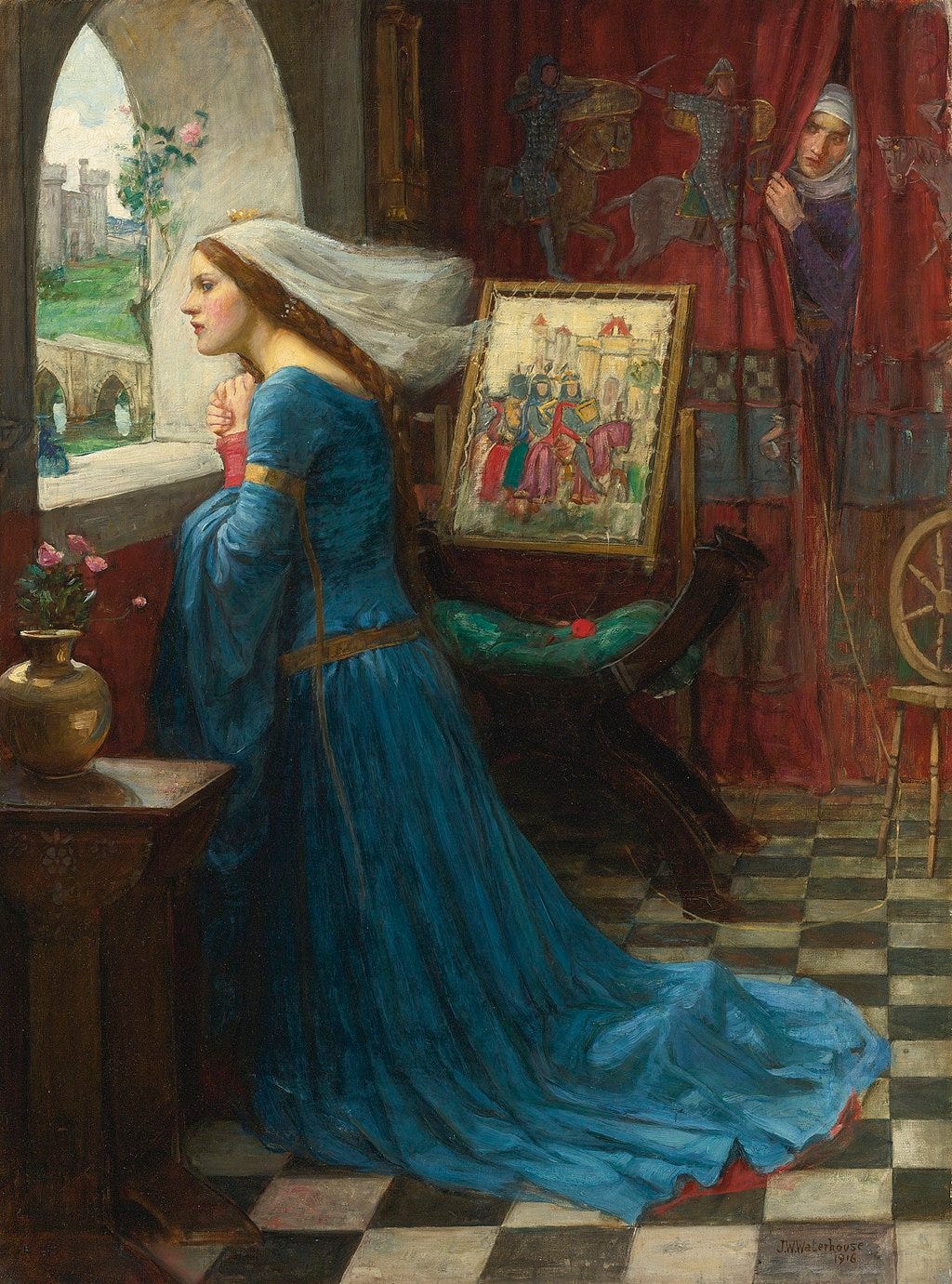
Fair Rosamond
I have a sister, young Clifford said,
A sister no man knows.
She hath a color all in her cheeks
Like a drop of blood in snow.

She hath a waist, a waist, a waist,
Like to my silver cane.
I would not for ten thousand worlds
Have King Henry know her name.

King Henry in his fair bower
Was hid so close and still.
That every word young Clifford said,
He wrote down in a bill.

The first fair line she looked upon,
She did begin to smile.
The next fair line she looked upon,
The tears ran down in aisle.

O cursed be my brother Clifford,
O cursed may he be!
Can't he dote on his hawks and hounds
But he must dote on me?
Local Lexicon
strawberry friend: A friend only around during good times. Refers to city-dwelling family members who only visit during strawberry season to collect enough berries for a season-worth of jam.
— Vance Randolph, Down in the Holler