Feasts, Fasts, and Forgotten Rhythms
Happy new year! We are officially one quarter of the way through the 21st century. I’ve been contemplating the importance of the calendar to our lives in the 21st century. It appears to me that the role of calendar has transformed drastically over the past 100 years for the worse. We have gone from referring to the calendar to referring to my calendar, shifting the emphasis away from the shared celebrations and realities of the seasons of our immediate locale, to the moments we value on a individual basis.
There is a dualistic element to the things most important on our calendars. Our calendars are full of either days we deem important (each individual) or meaningless “holidays” given to us by our government which have no true celebration or cultural meaning other than banks being closed and mail not being delivered. We effectively use the day as an extension of the weekend. What is left for us to share? What is left for us to look forward to together? We try to use the calendar as a utilitarian device for controlling the rhythm and pattern of our lives. This will not work.
Without online communities, telecommuting, and even the automobile, life looked a little different. Calendars were far less individualistic and much more community focused. Taking a look at the 2025 Farmer’s Almanac is an artifact of a pre-industrial calendar. Weather patterns, planting schedules, feasts, fasts, and holidays all with an expectation to have participation from the whole community. The calendar was a fact of life and a way to sync the traditions of people separated by distance and remembering things for generations, not just a few weeks.

Holidays must be experienced collectively and embedded within the culture of those who celebrate them. If the government declared tomorrow as “National Unicycling Day” and gave us the day off, few would rush out to buy unicycles and participate. Most of us would simply use the time to catch up on chores. The way a holiday truly becomes a holiday is if a group of people experience something they all value and want to repeat. Over time, through this repetition and shared value, these moments become ingrained in cultural tradition and eventually evolve into holidays.
While it’s easy to view this shift toward individualism and utilitarianism in our calendars as a loss, it’s also an opportunity. Recognizing the problem allows us to consciously reclaim the communal spirit of the past, adapting it to our modern lives. Rather than succumbing to the fragmented nature of our current calendar, we can choose to create and foster new traditions that bring us together.
This year, consider repeating an experience that brought joy or significance from last year. Whether it’s visiting a loved one’s grave, participating in a community project like cleaning a church, or enjoying a feast after a successful hunt, there are repeatable moments for all of us to recognize. Try to expand it and invite others into the celebration. These moments, if cherished and passed down, could one day become holidays celebrated by future generations. By reevaluating our relationship with the calendar and seeing it as a shared reality rather than merely a personal tool, we can begin to repair some damage that has been done. Moving forward inspired by past examples of local living, community building, and focusing on faith and family is the Ozark way for 2025.
A Change of Format
The format of this post is clearly a different than what I have been producing the past few months. I appreciate the engagement I have received so far with these letters and I hope despite the change you find them just as enjoyable. The format may shift some as I continue with these letters. Please feel free to provide feedback as I want to continue to produce content that is engaging and useful.
Winter Blues Brings Spring Seeds
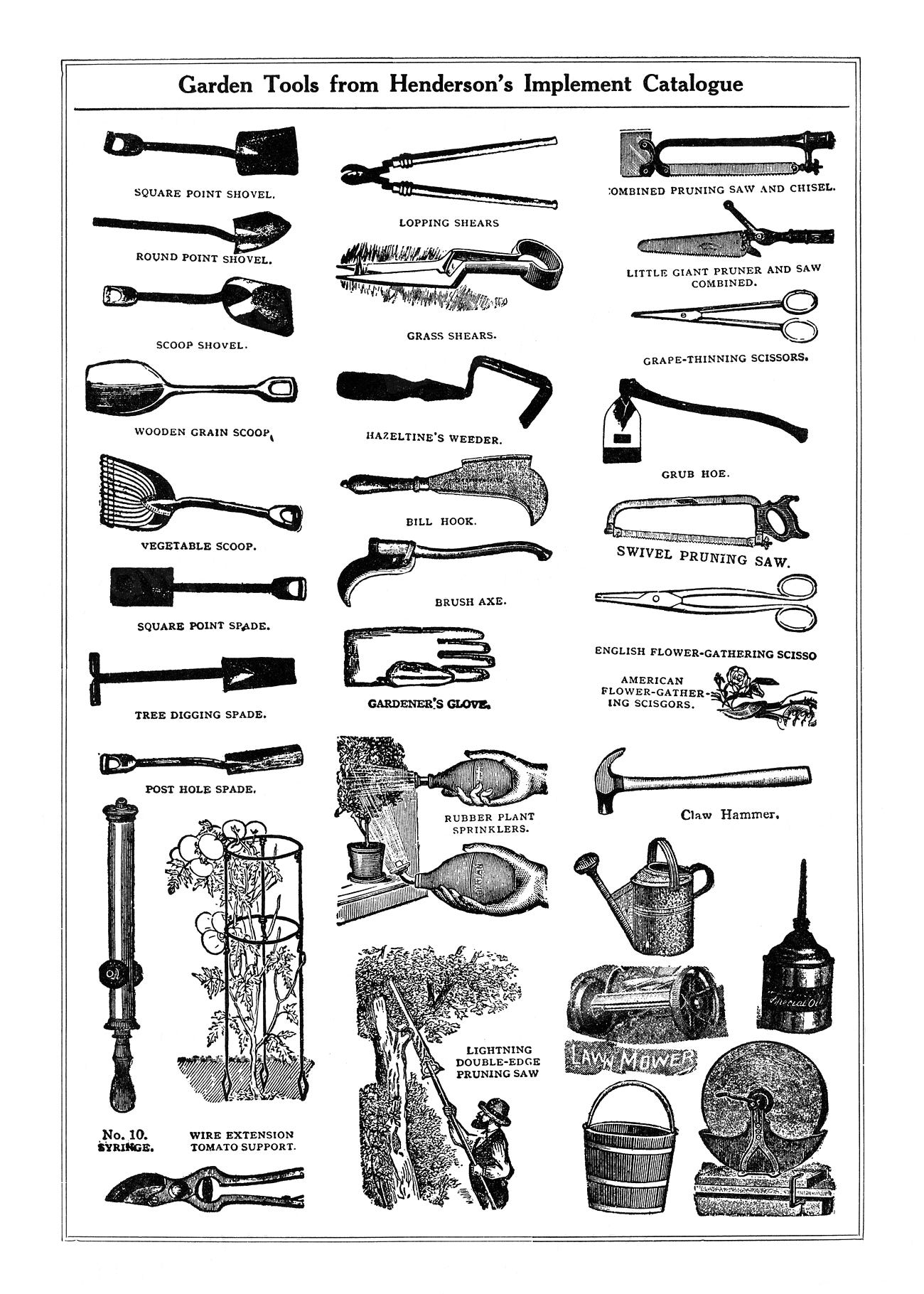
Ozarkers are famous for their gardens, being the source of a huge amount of popular heirloom varieties of flowers, vegetables, and fruits. The Ozarks have incredible weather for gardening, allowing for all but the most tropical plants (and even these are possible with some green house aid).
To the uninitiated, it may seem strange to be talking about gardening in the month of January, but as any seasoned gardener knows, now is the time to begin preparing. If you want to produce strong summer yield, you need to have seeds and pots ready to go by February. For the beginners, a hugely helpful resource in my time gardening has been The Timber Press Guide to Vegetable Gardening in the Southeast by Ira Wallace. This gives a month-by-month breakdown of what how to prepare, what to purchase, what to plant, and what to harvest.
For my garden I will be going for quantity over variety — growing lots of food I know we will eat in an attempt to keep the grocery bill lower. My list includes: potatoes, cabbage, broccoli, onions, okra, tomatoes, peppers, and squash. Additionally, I will be attempting to up my foraging game by collecting more foraged berries, roots, and herbs. For those who will be doing a garden in 2025, I will be interested to hear your plans on what you will be planting, please reach out!
Mountain Canticle
This song is a gospel song referring to Deuteronomy 32:13 “He made him ride on the high places of the earth, that he might eat the increase of the fields; and he made him to suck honey out of the rock, and oil out of the flinty rock;”. Here is a rendition you can listen to.
Honey in the Rock
I've got a home in that rock, don't you see
I've got a home in that rock, don't you see
I've got a home in that rock just beyond the mountain top
I've got a home in that rock, don't you see

CHORUS:
There's honey in that rock for me
Honey in that rock for me
O, there's honey in that rock
Just beyond the mountain top
There's honey in that rock for me


God gave Noah the rainbow sign, don't you see
God gave Noah the rainbow sign, don't you see
God gave Noah the rainbow sign no more water but the fire next time
God gave Noah the rainbow sign, don't you see


Oh I’m climbin’ up the king’s highway
Oh I’m climbin’ up the king’s highway
Got ol’ Satan on my track never think of lookin’ back
Oh I’m climbin’ up the king’s highway
Local Lexicon
lick and a promise: Temporary repairs, superficial treatment. To give anything a lick and a promise is to fix it quickly for the time being, with the intention of completing the job later.
— Vance Randolph, Down in the Holler